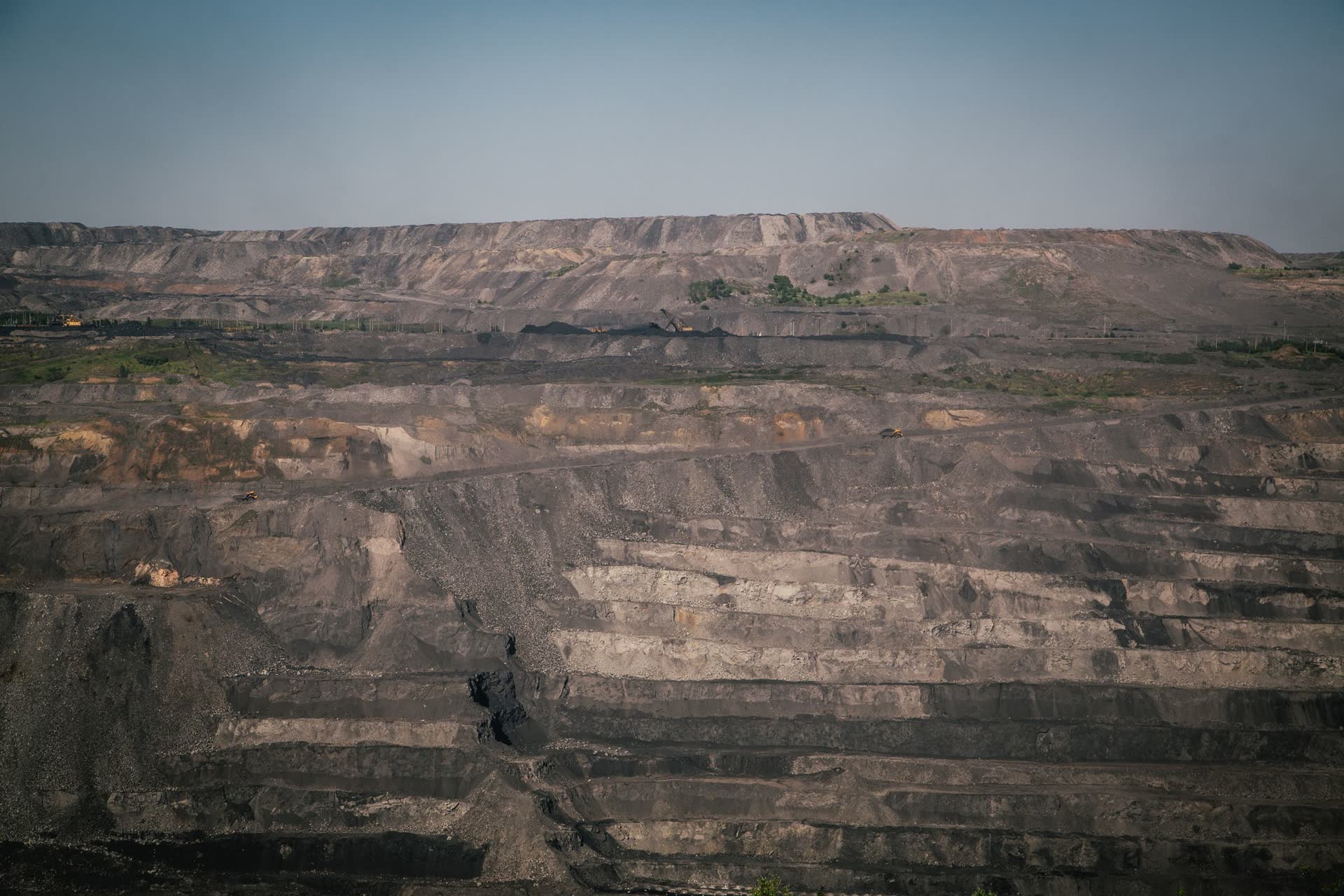

Engineers at the pit, not in a slide deck
Forward Deployed Engineers work on site with the mine agent, fleet controller and store keeper — and ship to production on live shift data.
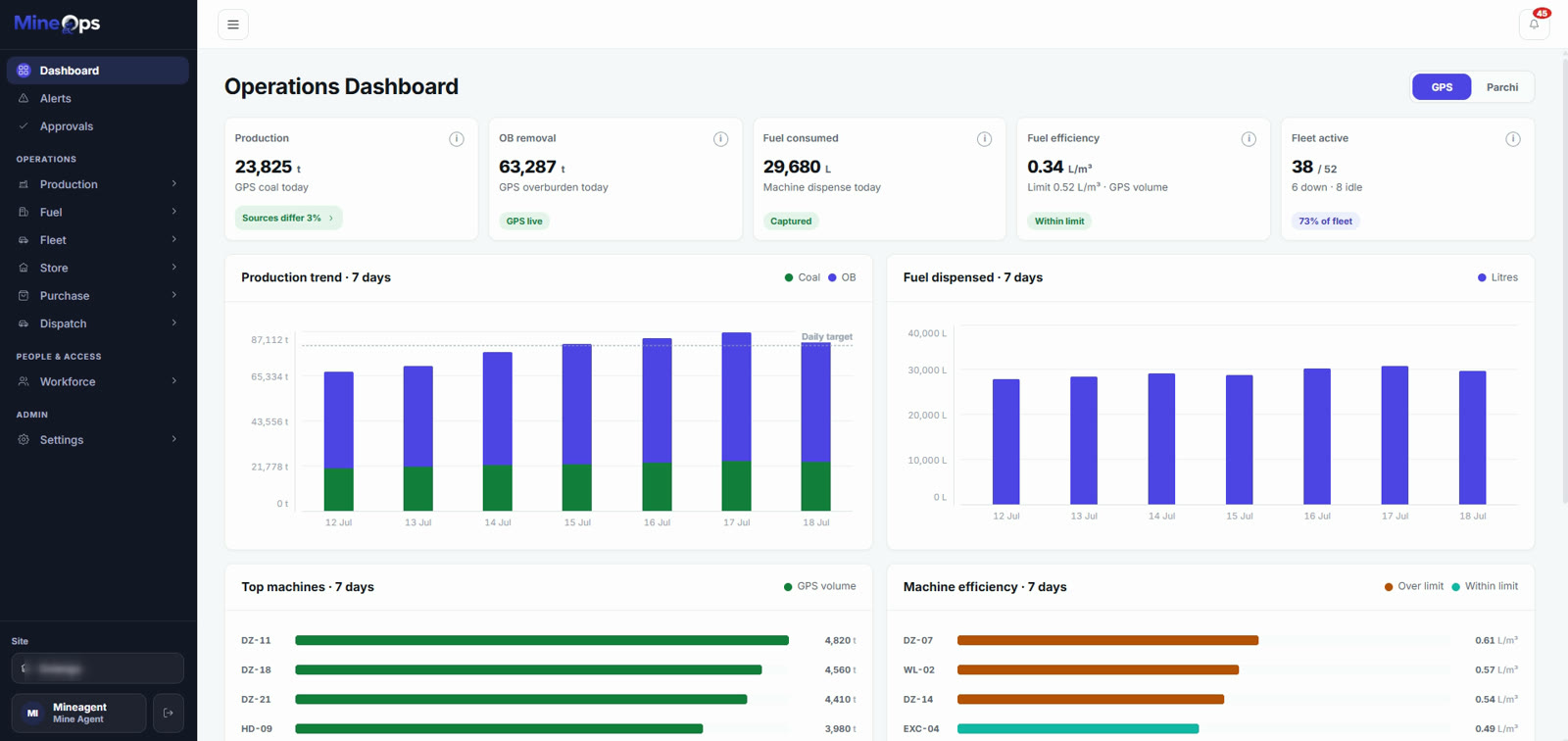
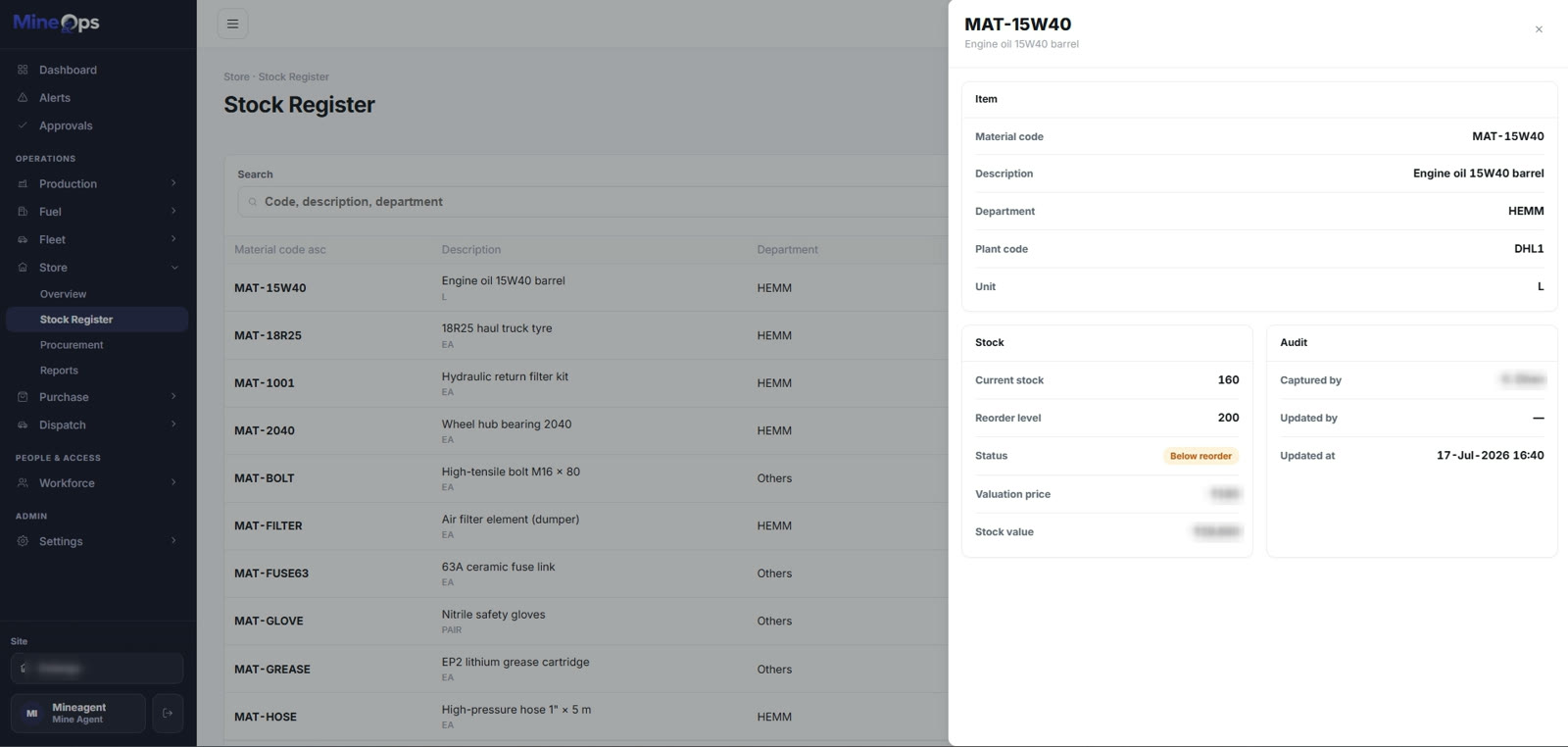
Production, fleet, fuel, safety and survey on one operational record — built inside the mine, alongside SAP.
Trusted by operators and enterprises





ERP, OEM portals, fuel apps, weighbridge logs and spreadsheets. Every number has to be re-keyed to be believed.
Production and fuel arrive as a next-morning MIS. By then the shift — and the decision — is gone.
Registers for fuel, spares, blasts and incidents. Nothing is queryable, nothing is auditable.
Parts replaced under live warranty and never claimed. Spares issued with no trace of the machine that used them.
Where AI is delivering value for mine operators, why most pilots stall, and a 90-day playbook for capturing it.
33 pages. Draws on published research from BCG, McKinsey, Deloitte and BHP, industry market data, and KnackLabs’ own work with Indian mining operators.
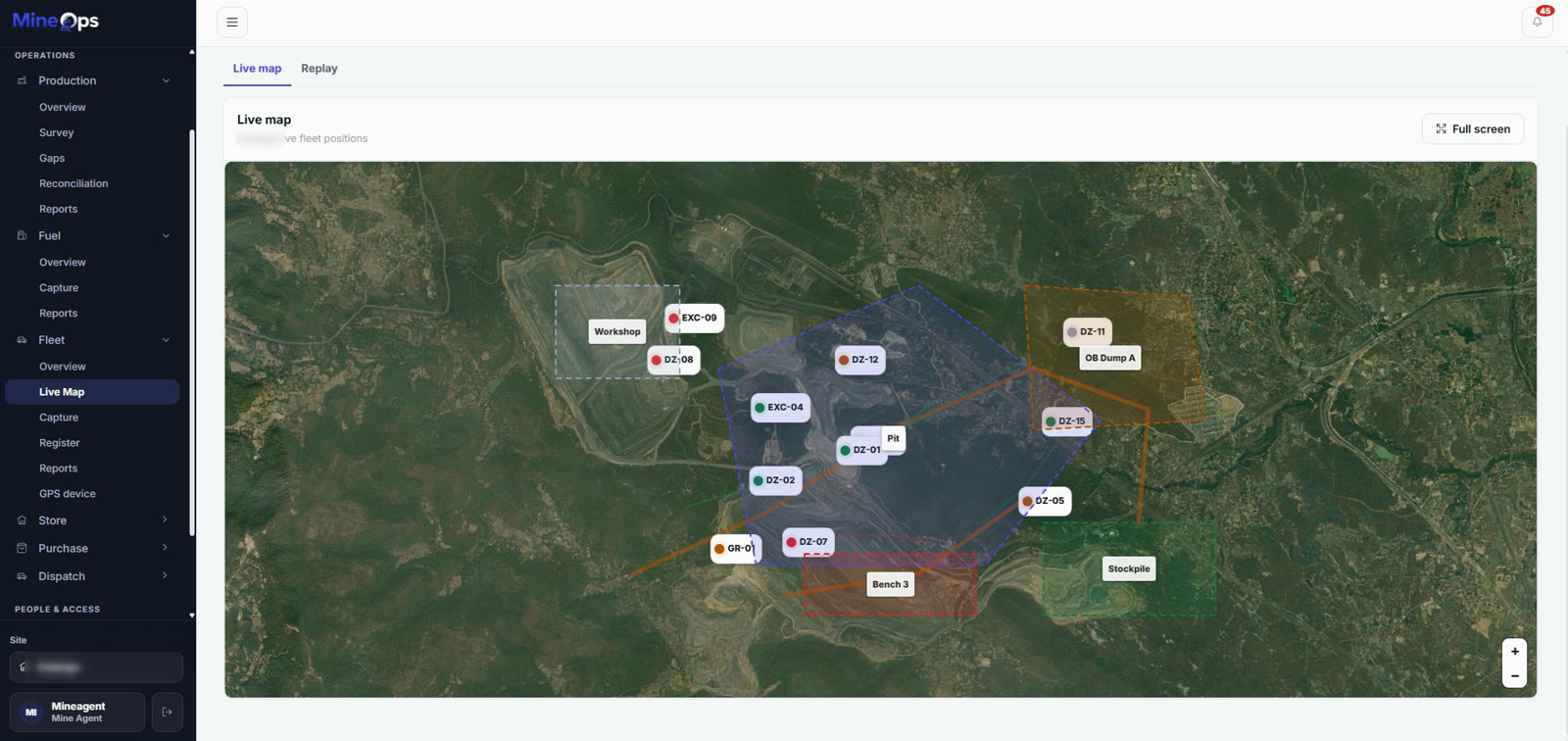
Production, fleet, fuel, stores, safety, workforce and compliance across every site, in one command center.
No rip-and-replace. The platform runs operations and posts to SAP; SAP stays the system of record for finance.
“Which equipment burned the most fuel this week?” — answered in plain English, in seconds, not a Monday MIS.
The MIS assistant is on the MineOps roadmap.
See it in MineOps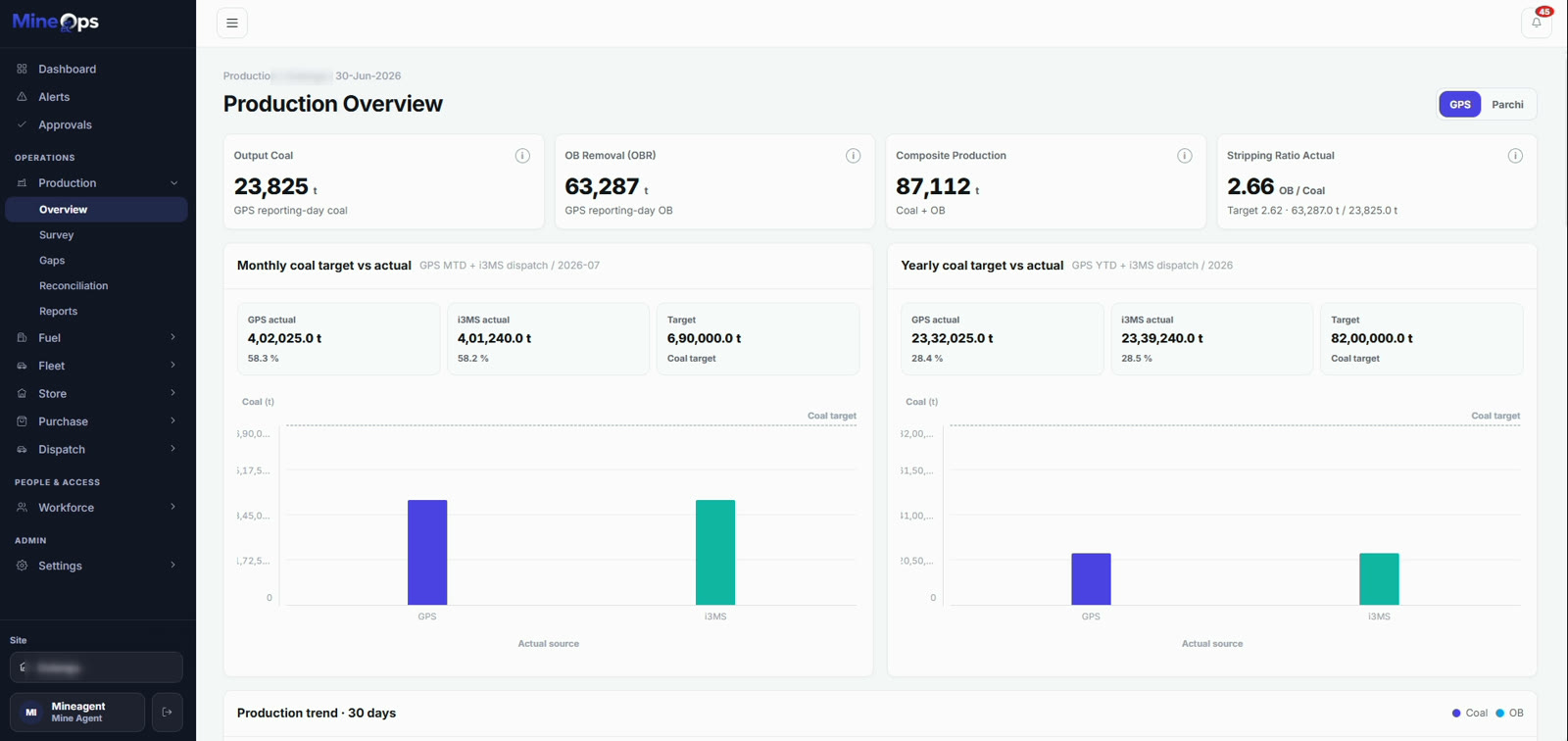
30 minutes. Bring one problem from your mine — leave knowing how we'd solve it.
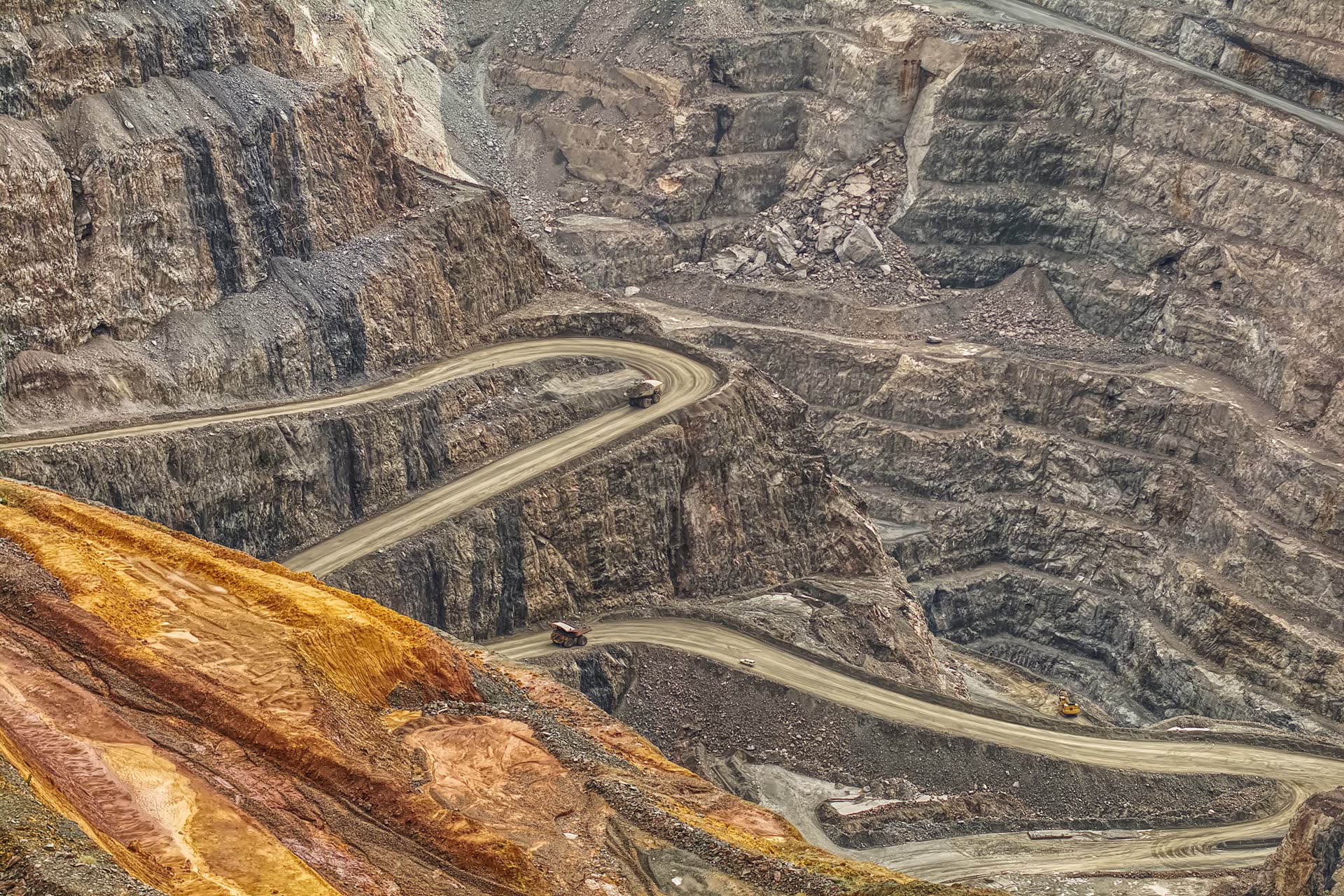
MineOps puts an entire opencast coal mine on one platform for Sainik Mining and MineGate. In delivery, go-live FY 2027–28.
Our planners could open a web browser, pull up any mining site, and get a cut-fill volume or a haul-road safety check on the spot. No CAD, no waiting on the GIS team.
Himalay SharmaOperations Head, MineGateRead the GIS Portal story 






ERP / SAP — system of record
MineOps — system of operations
Nothing is removed. MineOps posts operational entries into the ERP, updated as the shift happens.
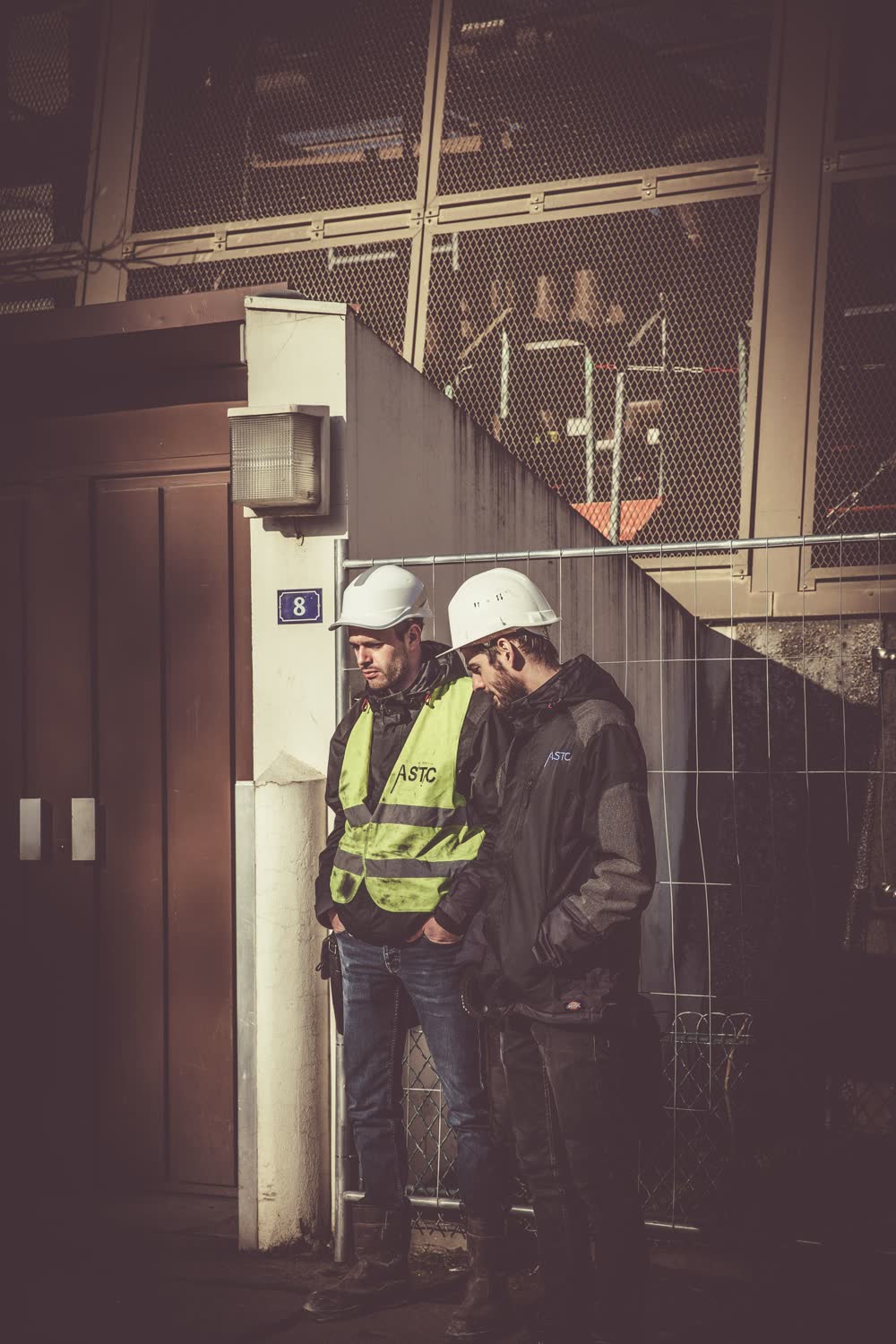
Forward Deployed Engineers work on site with the mine agent, fleet controller and store keeper — and ship to production on live shift data.
Digital Form-A registers, biometric attendance and a non-editable audit trail, mapped to DGMS Circular 08/2020 from the start.
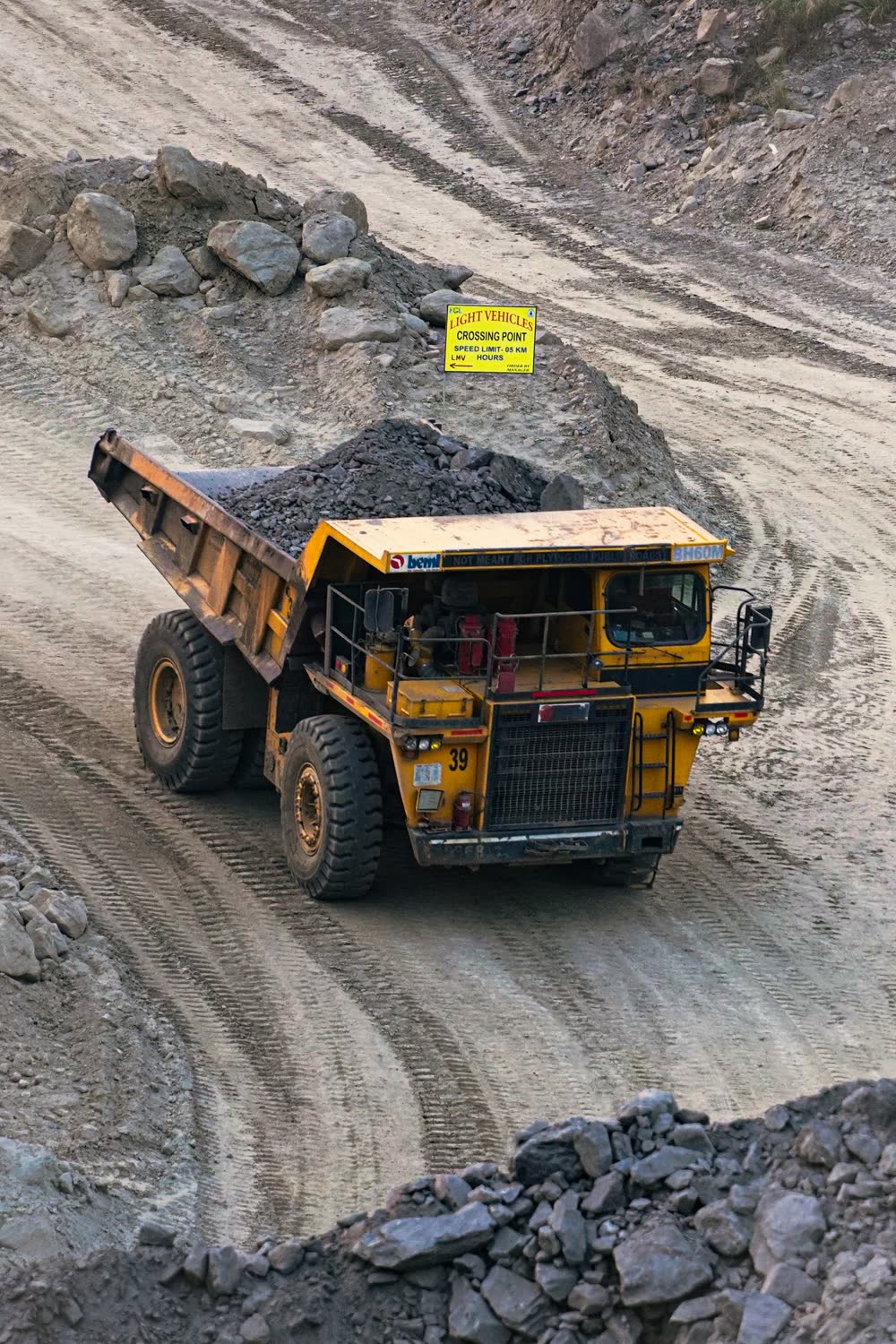
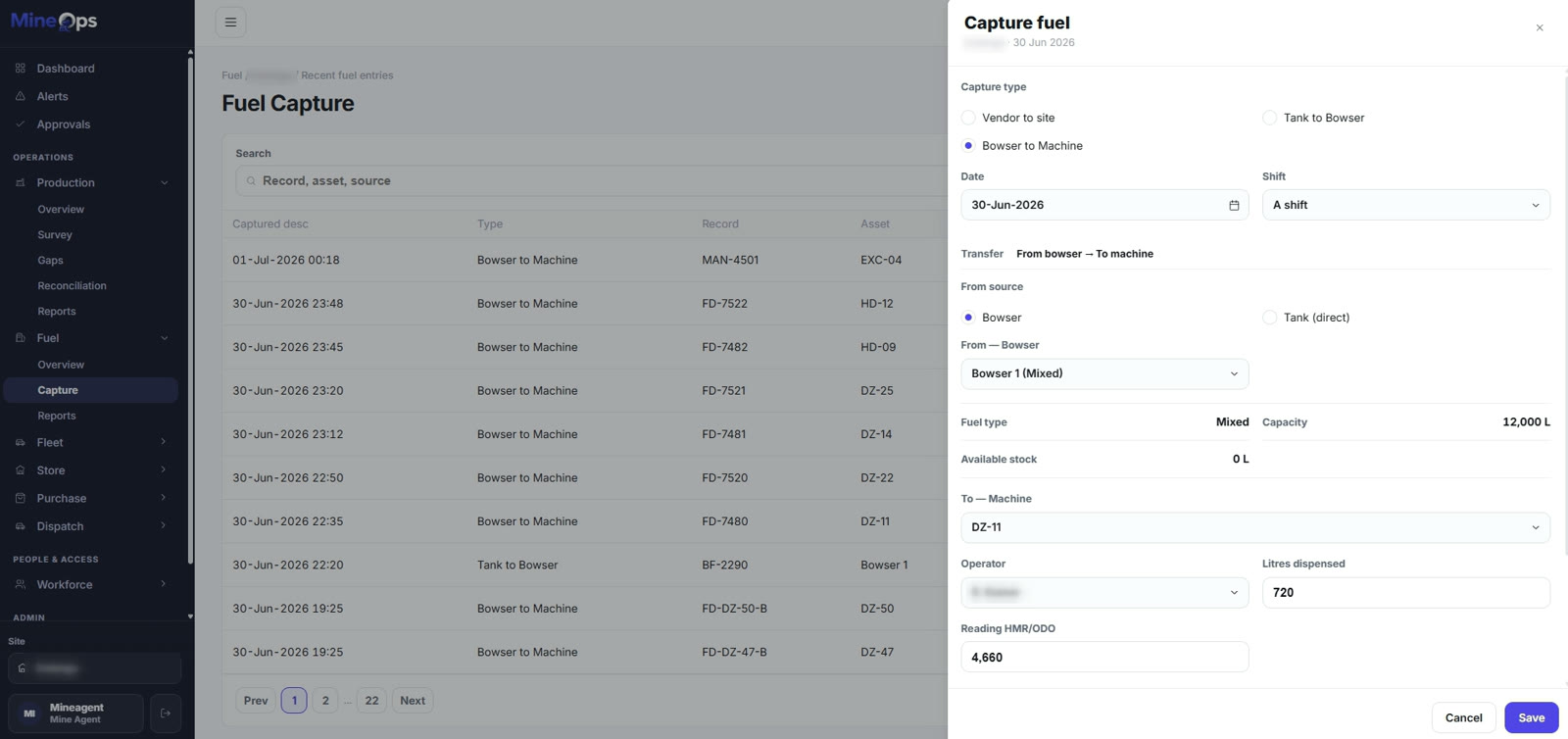
Attendance, fuel, parchi and checklists run offline where the signal drops, and sync when the pit comes back online.
You own what we ship. Anomaly detection, breakdown prediction and the MIS assistant layer on top of one system of record.
OpenAI models and tools for building intelligent systems and AI-powered workflows.

AI built for India, with capabilities across language, voice and enterprise use cases.

We run the LangChain community and events in India.
One site, one integration, a running deployment your GM can judge on real shift data. Then decide about the rest of the group.
No. MineOps runs mine operations and posts operational entries into SAP, which stays the system of record for finance, procurement, controls, payroll and statutory reporting. Nothing is removed. The ERP connector is endpoint-agnostic, so it can work with SAP ECC or another ERP such as Tally.
Compliance is built into the platform rather than added later. MineOps maps around 25 DGMS obligations to its modules and is built to the DGMS Circular 08/2020 digital mandate, with digital Form-A registers, biometric attendance, machinery reference numbers, fatigue management and a non-editable, append-only audit trail.
Yes. Critical field forms — attendance, fuel, parchi and checklists — run offline as a progressive web app on the device and sync automatically when the connection comes back.
MineOps integrates with SAP ECC, Hectronic fuel telemetry, biometric attendance and GPS, and works with weighbridge and OEM/OBD telematics data. Drone survey outputs from Pix4D, ArcGIS and CAD (GeoTIFF, LAS and PDF) feed the GIS Portal.
Coal extraction is captured three ways — survey, GPS trips and manual odometer or parchi readings via OCR — and reconciled into one number. GPS and i3MS figures are shown side by side, so the gap between them is visible rather than argued.
Yes. Because every module writes to the same operational record, a daily P&L combines dispatch revenue with diesel, workforce, explosives and contractor costs, giving cost per tonne for any day, date range or month instead of waiting for month-end.
AI sits on top of one reliable system of record. The GIS Portal already measures stockpile volumes, cut-and-fill and DGMS haul-road limits in the browser. On the MineOps roadmap are fuel-theft anomaly detection, equipment-breakdown prediction and a natural-language MIS assistant that answers questions like "Which equipment burned the most fuel this week?"
A Forward Deployed Engineer is a KnackLabs engineer who works on site with your team — the mine agent, fleet controller, store keeper and safety officer — and ships to production on live shift data, instead of handing over a product and leaving.
Start with one mine. We begin with discovery and a process assessment at one site, then a proof of concept on live shift data with the ERP integration validated, followed by a group rollout roadmap and commercial proposal. Your GM judges it on real shift data before you decide on the rest of the group.
You do. We build on the systems you already run, and you own what we ship.